Buy Bulk Ammo Online and Lock In the Lowest Per-Round Prices Today
Running low on ammunition right when you need it is frustrating, but buying bulk ammo online ensures you always have a ready supply. Simply browse a reputable retailer’s website, select your caliber and quantity, and have heavy-duty cases shipped directly to your door. This approach cuts per-round costs dramatically and reduces the frequency of last-minute store runs. For the best experience, order in bulk before you’re nearly empty to avoid shipping delays and stockouts.
Why Buying Ammunition in Larger Quantities Saves You More Per Round
Buying bulk ammo online directly reduces the per-round cost because manufacturers and retailers price in tiered discounts that reward higher volume. Shipping, which is a fixed fee per order, gets amortized across more cartridges, making larger quantities the single most effective way to lower your cost-per-box. When you order 1,000 rounds instead of 100, you’re not only unlocking a wholesale price break but also eliminating the “handling surcharge” that often applies to small, frequent shipments. Additionally, you’ll avoid the price creep that happens with restocking fees on repeat orders, since one bulk purchase locks in today’s rate for all your future practice or defensive needs. The math is simple: the more you buy in one transaction, the less you pay per trigger pull, which is why serious shooters never split their orders.
Understanding the Price Break Structure at Online Retailers
Understanding the price break structure at online retailers hinges on recognizing tiered thresholds, not linear discounts. Most sites display a per-round cost that drops sharply at specific cart quantities, such as 100, 250, or 500, because the retailer’s own packaging and shipping overhead amortize unevenly. You must compare the marginal cost between adjacent tiers, not just the headline price, since moving from 200 to 250 rounds often yields a negligible per-unit saving, while the 500-round tier triggers a meaningful bulk ammo online discount rate. Always calculate the price per round at each breakpoint, including any flat fee, to identify the lowest effective cost before committing to a larger order.
Q: Why do price breaks appear non-linear rather than steady per-round reductions?
A: Retailers set psychological thresholds where supply contracts or shipping boxes change—e.g., a 50-round box costs more to ship per unit than a 500-round case—so the discount jumps at these breakpoints, making it essential to evaluate each tier’s actual total cost, not just the percentage off.
How Shipping Costs and Weight Affect Your Final Price Per Box
When you buy bulk ammo online, the shipping cost is often a flat rate per order, not per box. Heavier packages cost more to ship, but that cost gets spread across more boxes when you order larger quantities. A single 20-round box might cost $8 to ship, adding $0.40 per round—but a 1,000-round case at the same $8 shipping fee adds only $0.008 per round. Weight also matters because ammo is dense; carriers charge by dimensional weight or actual weight, so a heavy order might trigger a surcharge. However, that surcharge is still smaller per box than paying separate shipping on multiple small orders. The trick is finding the sweet spot where the flat shipping fee and weight penalty drop your final price per box to its lowest point.
Q: How does weight increase my final price per box?
A: Heavier ammo can push your order into a higher shipping tier, but since that extra cost is shared across many boxes, the per-box increase is tiny—often less than a dollar, compared to paying full shipping on each small order.
Calculating the True Savings: Comparing Single-Box vs. Case Purchases
The most reliable way to measure savings is to compare the per-round cost of a single box against a full case, not just the total price. Start by dividing the case’s total cost by its round count, then do the same for an individual box; the difference often exceeds 10–20 cents per round. This true cost-per-round comparison must include shipping fees, which can erase savings if a case is heavy and you split the order. Also factor in the “free shipping” threshold many bulk ammo online retailers apply only to 6mm Remington Ammo for Sale cases. Finally, compare the landed cost per round—including taxes—against buying five separate boxes from a local store. Only when the case price per round beats the single-box price per round by a tangible margin should you commit.
What to Check Before Adding a Bulk Case to Your Cart
Before you click that final button on a bulk ammo online order, I’ve learned to run a quick mental checklist, because a case isn’t a single box. First, I verify the **ammo specifications**—grain weight, bullet type, and velocity—against what my firearm actually cycles, since 7mm Rem Mag Ammo for Sale a case of 147gr flat-points might jam a pistol tuned for 115gr. Next, I calculate the price per round by dividing the total cost, including shipping, by the case count; a “deal” often dies when freight adds six cents a round. I also inspect the casing material—brass versus steel—because that affects reloadability and range rules. Finally, I check the manufacturer’s lot number in the product description; if it’s not listed, I’ll email support, because a bad lot across 500 rounds is a nightmare I’d rather avoid upfront.
Matching the Ammo Specs to Your Firearm’s Chamber and Barrel Twist
Before committing to a bulk order, verify your firearm’s chamber marking against the cartridge designation on the case. A .223 Remington chamber can fire 5.56x45mm, but the reverse risks excessive pressure, so match the exact headstamp. Next, confirm your barrel’s twist rate—printed on the barrel or in the manual—against the bullet weight in the bulk lot. A 1:7 twist stabilizes 62–77 grain projectiles, while a 1:12 twist prefers 55 grain or lighter. Buying 500 rounds of 69 grain match ammo for a 1:12 barrel yields poor accuracy and keyholing. Always cross-reference the ammo’s ballistic coefficient with your rifling pitch to avoid 9mm Ammo for Sale wasted stock. Matching the ammo specs to your chamber and twist prevents dangerous misfits and ensures the entire case performs as intended.
Confirm chamber stamp and barrel twist rate before bulk purchase, as mismatched pressure or stabilization ruins accuracy and safety.
Inspecting the Lot Number and Manufacturing Date for Freshness
Before adding a bulk case to your cart, inspect the lot number and manufacturing date to confirm the ammunition hasn’t languished in warehouse inventory. Ammo degrades slowly, but propellant breakdown and primer sensitivity worsen with heat-cycled storage. Look for a stamped lot code on the case or box—typically a letter-digit string—and cross-check it against the manufacturer’s date decoder online. For sealed military-style tins, the date is often printed as a four-digit year followed by Julian day. If the lot is over three years old and the vendor cannot verify temperature-controlled storage, the price drop is rarely worth erratic ignition. Request the lot details before checkout, and avoid mixed-lot cases:

- Contact the seller for the exact lot number and year of production.
- Verify the date on the manufacturer’s website or via a quick phone call.
- Reject any batch older than five years unless it’s been vacuum-sealed with desiccant.
How to Verify the Packaging Integrity of a Sealed Case
Before accepting a sealed bulk ammo case from a carrier, inspect the outer cardboard for crushing, punctures, or moisture staining that could indicate impact damage. Next, check the manufacturer’s factory tape—it should be intact, with no secondary tape layered over it, which suggests prior opening. Gently tilt the case; if you hear loose rounds rattling, the internal trays may have broken, compromising the seal. Finally, confirm the case’s crimped or glued flaps are flush and unbroken, as verifying a sealed case’s packaging integrity also means ensuring the inner foil or plastic liner hasn’t been exposed or torn. Look for any bulge on the sides, which can signal pressure distortion from mishandling. If any defect exists, photograph it before accepting delivery.
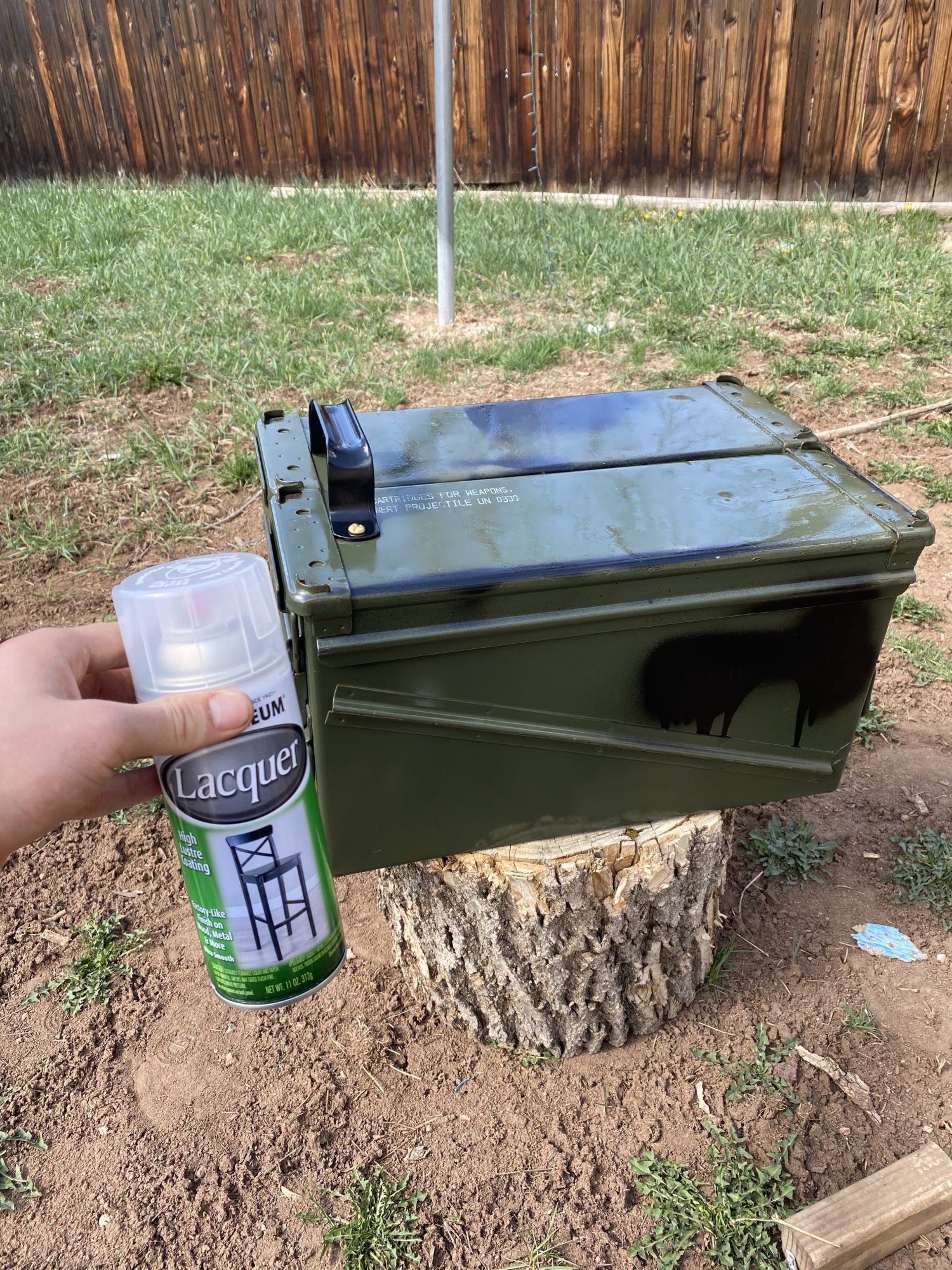
To verify a 9×18 Makarov Ammo for Sale sealed case, check for crushing, tape tampering, rattling, flap damage, or bulging—reject if any defect appears.
How to Choose Between New, Remanufactured, and Surplus Options Online

When buying bulk ammo online, your choice between new, remanufactured, and surplus hinges on your shooting priority. New ammunition delivers consistent accuracy and reliable ignition, ideal for precision work or defensive loads. Remanufactured rounds—pulled from once-fired brass, re-primed, and re-loaded—offer significant cost savings but demand you verify the seller’s quality control. Surplus ammo is the cheapest, often military-grade, but it may be corrosive and prone to inconsistent performance from decades of storage. Before committing, check customer reviews specifically mentioning misfires or grouping, and confirm the seller states the brass source and reloading steps. For high-volume range practice, remanufactured is your best value, but for hunting or competitions, never compromise with surplus.
Always buy a small test box first—even 50 rounds—to validate function in your firearm before purchasing a case.
Trust sellers who list lot numbers and offer return policies for damaged or dud rounds.
When Remanufactured Rounds Are a Smart Buy and When to Avoid Them
Remanufactured rounds are a smart buy for bulk ammo online when you’re doing high-volume plinking or training drills where pinpoint accuracy isn’t the goal—think burning through 500 rounds of 9mm at steel targets. They’re also great if you’re on a strict budget and trust a specific rebrander with a solid track record, like those that use once-fired brass from a single headstamp. But avoid them for self-defense, hunting, or any precision rifle work, since the pressure and seating can vary slightly round-to-round. Also skip if you see mixed primer types or visibly damaged cases in the photos. When buying, follow this sequence:
- Check the seller’s QC process for resizing and primer seating.
- Confirm they pressure-test a sample from each batch.
- Read recent reviews for failure rates before ordering in bulk.
That way, you know when the savings are worth it versus when new brass is the safer bet.
Reading the Fine Print on Surplus Ammo: Corrosion, Primers, and Storage History
Before you click “buy” on surplus, inspect the fine print for corrosion, primer type, and storage history—these three details make or break the deal. Corroded cases, often green or white, can jam your chamber or hide cracked necks, so look for descriptors like “tarnished” or “field-grade” and avoid them. Berdan primers are common in foreign surplus; they’re non-reloadable and can be harder to ignite in some firearms, so verify Boxer vs. Berdan. Most critically, storage history—was it kept in 7mm Rem Ultra Mag Ammo for Sale sealed tins, humid bunkers, or loose in a shed?—dictates powder degradation and case integrity. Corrosion from poor storage can mean misfires or squibs, so demand lot numbers and any available inspection dates. A savvy buyer reads between the lines to avoid a jammed gun or a wasted batch.
Always verify corrosion level, primer type, and storage conditions in surplus listings before purchase.
Identifying the Best Grain Weight for Your Specific Shooting Activity
Matching grain weight to your shooting discipline transforms bulk ammo from a gamble into a precision tool. For competitive pistol shooting, a 115-grain 9mm cycles fast and cuts recoil, while 147-grain subsonics reward suppressed hosts. Rifle shooters targeting steel at 600 yards often dial 77-grain OTM loads, .50 Cal Ammo for Sale whereas 55-grain ball suits plinking and fast follow-ups. Always cross-check your barrel’s twist rate—a 1:7 twist stabilizes heavier projectiles, while a 1:12 twist prefers light varmint rounds. Buying surplus? Expect consistent military-spec weights, but remanufactured lots vary, so test a box before committing. Your activity dictates the sweet spot: accuracy demands weight; speed demands lighter.
Smart Ways to Store Your Bulk Delivery at Home
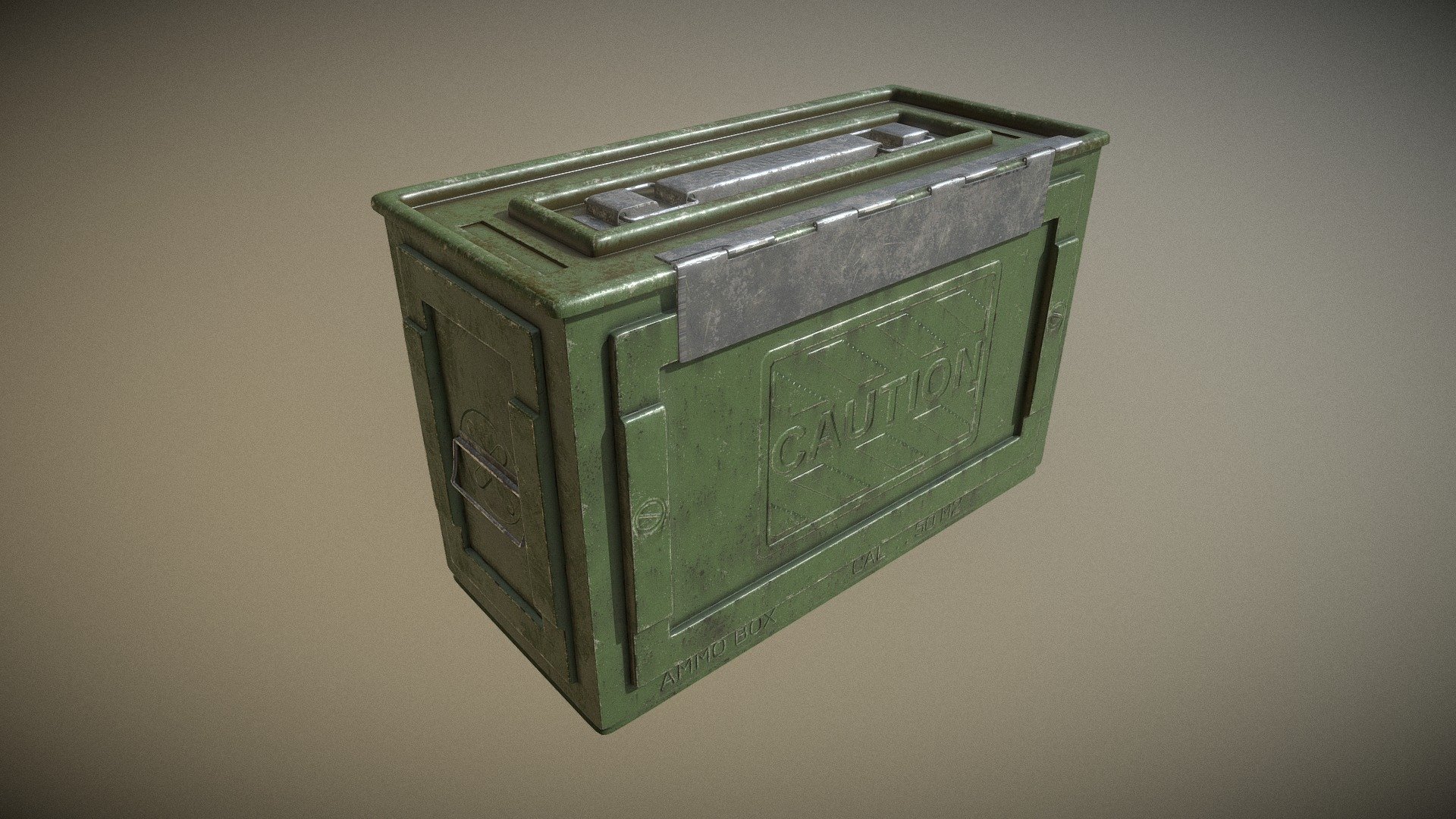
When your bulk ammo online order arrives, resist the urge to leave it in flimsy cardboard. Transfer rounds into sealed, military-grade metal cans or heavy-duty polymer ammo boxes, grouping by caliber and lot number to streamline range-day grabbing. Store these containers off concrete floors—use a sturdy shelving unit in a cool, dry closet or under-bed vault—and add silica gel desiccant packs to fight humidity that corrodes primers. Rotate your stock by placing newer purchases behind older ones, ensuring you shoot the oldest first. Question: Should you open every box to inspect your bulk ammo online shipment? Answer: Spot-check a few random cartons for damage, but leave the rest sealed—factory packaging is your best moisture barrier. Finally, label each container with purchase date and round count, and keep a simple inventory log taped to the shelf. This system keeps thousands of rounds organized, accessible, and shooting reliably for decades.
Keeping Ammo Dry and Cool: Simple Storage Containers That Work
When your bulk ammo online order arrives, the primer’s sensitivity to heat and moisture becomes your main enemy. Skip fancy safes; instead, use simple storage containers that work—like thick, airtight polyethylene ammo cans with a rubber gasket. Before sealing, toss in a reusable desiccant pack and place the can on a basement floor shelf, never directly on concrete. The goal is a stable, cool corner away from HVAC vents, where temperature swings stay under 20°F. This cheap combo prevents corroded brass and dud rounds, keeping every case you bought online ready for the range. Moisture control is non-negotiable for long-term bulk holds.
Q: How often should I check desiccant in these storage containers?
A: Inspect monthly—if the indicator beads turn pink, recharge them in a 200°F oven for two hours, then reseal the can.
Rotating Your Stockpile: Which Boxes to Use First at the Range
When you buy bulk ammo online, proper rotation prevents older lots from becoming stale or corrosion-prone. At the range, grab boxes with the earliest manufacturing date or those from previously opened cases first—never dip into fresh shipments until older stock is depleted. For handgun and rifle rounds, pull from the top of your storage stack, as these often represent older acquisitions. If you track lot numbers, shoot the lowest-numbered lots before newer ones. This “first-in, first-out” approach ensures consistent performance and minimizes waste. Rotating your stockpile by using oldest boxes first also helps you spot potential defects early, before they multiply across a large batch.
Q: How do I know which boxes to use first when rotating my stockpile?
A: Check the manufacturer’s date stamp or lot number on each box—use those with the oldest dates or lowest lot numbers before touching newer inventory.
Organizing Your Inventory to Track What You Have and What You Need
When your bulk ammo online order arrives, begin by logging every caliber 9.3x72R Ammo for Sale and round count into a simple spreadsheet or notebook before shelving. Assign a permanent storage location per caliber—labeled bins or shelf zones—so you can visually verify remaining stock in seconds. Conduct a monthly audit comparing your written records to physical counts, flagging discrepancies immediately. Track usage rates by date and range trips to forecast what you need for upcoming sessions, then set a reorder threshold at 20% of your minimum desired reserve. This prevents both overspending and emergency shortfalls by creating a closed feedback loop between consumption and purchasing.
Systematic cataloging, fixed locations, and monthly counts turn bulk ammo from a pile into a predictable, reorder-ready resource.
Common Errors People Make When Ordering Large Quantities Over the Internet
When ordering bulk ammo online, the most common error is failing to verify shipping weight and package dimensions before checkout, leading to surprise freight fees or failed deliveries. Many buyers also neglect to compare cost-per-round across multiple calibers, assuming the per-box price reflects true bulk savings—it often does not. A frequent misstep is ignoring the seller’s inventory refresh schedule, so you lock in a “deal” for a caliber that gets backordered for months. Additionally, buyers commonly skip checking the primer type and bullet grain consistency across the entire lot, assuming uniformity in bulk packaging when batch variances exist. Always confirm your firearm’s specific twist-rate and magazine compatibility before committing to a case. Never assume the advertised “bulk” price includes secure, discreet packaging, as many shippers add handling surcharges for heavy, non-standard boxes. Your real cost per round is only accurate after adding tax, shipping, and any hazmat fees.
Ignoring the Difference Between Casing Material and Bullet Coating
When ordering bulk ammo online, ignoring the difference between casing material and bullet coating leads to costly mismatches. Brass, steel, or aluminum casings dictate reloadability and firearm wear, while polymer, copper, or moly coatings affect barrel friction and fouling. A steel-cased round with a soft lead bullet may function poorly in a suppressed rifle, whereas a brass case with a nickel-plated bullet excels in corrosive Ammunition for Sale environments. Shoppers often assume “coated” means the entire cartridge is protected, but that mistake compromises accuracy and extraction. Before committing to a case quantity, verify both specifications separately, because misreading coating for casing integrity can ruin a range session and waste your investment.
Overlooking the Minimum Age and Delivery Restrictions for High-Volume Orders

When buying bulk ammo online, overlooking the minimum age and delivery restrictions for high-volume orders can derail your entire purchase. Federal law sets a minimum age of 21 for handgun ammunition, but some retailers impose stricter rules, such as requiring signature confirmation or refusing shipment to residential addresses. Before checkout, verify that your delivery state allows bulk quantities, specialty sports and supply as certain counties restrict large-caliber shipments. A common sequence of errors: first, assuming your age is verified at pickup; second, ignoring carrier-specific age checks; third, selecting expedited shipping that bypasses adult-signature protocols. Confirming age and delivery eligibility before payment prevents lost deposits and cancelled orders.
- Check the retailer’s stated age minimum for your specific caliber.
- Enter your ZIP code to test for local delivery restrictions.
- Select a shipping method that includes an adult-signature requirement.
Forgetting to Check the Return Policy on Ammo That Arrives Damaged
When ordering bulk ammo online, forgetting to check the return policy before checkout 9.3x62mm Mauser Ammo for Sale can turn a damaged shipment into a total loss. Most retailers classify ammunition as hazardous material, so ammo return policies for damaged bulk orders often exclude refunds unless you report the issue within 48 hours and retain the original packaging. Without verifying this upfront, you may face restocking fees, shipping costs both ways, or outright rejection if the box shows handling damage. *Even a sealed case can hide corroded primers or deformed casings, yet a strict policy voids your claim if you missed the inspection window.* Always screenshot the policy, photograph the unopened crate, and demand a replacement clause before paying—otherwise, your $500 order becomes non-refundable scrap.